Simple Sustainable Habits That Actually Stick
Sustainable habits don’t fail because people don’t care. They fail because they’re often introduced all at once, all-or-nothing, and completely disconnected from real life.
Most of us don’t need more information, we need habits that fit into our days without friction, guilt, or constant effort.
Sustainability sticks when it’s simple, flexible, and kind.
This guide focuses on habits that work in real life, the kind you can return to even after busy weeks, off days, or imperfect seasons.

Why Most Sustainable Habits Don’t Last
Before getting into what does work, it helps to understand what doesn’t.
Sustainable habits tend to fall apart when they:
Require perfection
Add stress or complexity
Depend on constant motivation
Feel morally loaded
Clash with your actual lifestyle
Habits that stick don’t ask you to become a new person.
They work with who you already are.
The Foundation: Make Sustainability Easier Than the Alternative
One of the biggest mindset shifts is this:
If a habit requires constant effort, it won’t last.
The most sustainable habits reduce decision-making, not increase it.
They quietly become the default.
When choosing habits, ask:
Can this fit into my existing routine?
Does this simplify something I already do?
Would I still do this on a low-energy day?
If the answer is yes, you’re on the right track.
1. Buy Less by Creating a Pause Before Purchasing
This is one of the highest-impact sustainable habits and it costs nothing.
Before buying something new, pause and ask:
Do I already own something similar?
Will I still want this in a month?
Am I buying this out of need or impulse?
You don’t need a strict no-buy rule.
Even a short pause interrupts autopilot consumption.
Why it sticks:
It doesn’t require deprivation, just awareness.
2. Use What You Have Until It’s Finished
This habit alone prevents unnecessary waste and spending.
Try:
Finishing skincare and cleaning products before replacing them
Wearing clothes you already love more often
Repairing or repurposing items when possible
You don’t need to throw things away to “start fresh.”
Sustainability often begins by staying with what you already own.
Why it sticks:
It removes pressure to constantly upgrade.
3. Make One Sustainable Swap at a Time
Trying to change everything at once is overwhelming.
Instead:
When something runs out, replace it with a more sustainable option
Focus on one category at a time (home, beauty, clothing)
This keeps sustainability manageable and budget-friendly.
Why it sticks:
It happens gradually and doesn’t disrupt your routine.
4. Choose Quality Where It Matters Most to You
You don’t need to optimize every purchase.
Choose one or two areas where quality matters most, for example:
Clothing you wear daily
Bedding or home essentials
Kitchen tools you use often
Buying fewer, better items in areas you care about is more effective than trying to be perfect everywhere.
Why it sticks:
It aligns with your values instead of fighting them.
5. Simplify Your Wardrobe Decisions
Sustainable fashion becomes easier when your wardrobe works together.
This might look like:
Choosing a cohesive color palette
Wearing outfits on repeat without guilt
Letting go of trend pressure
A smaller, well-loved wardrobe naturally reduces overconsumption.
Why it sticks:
It saves time and mental energy.
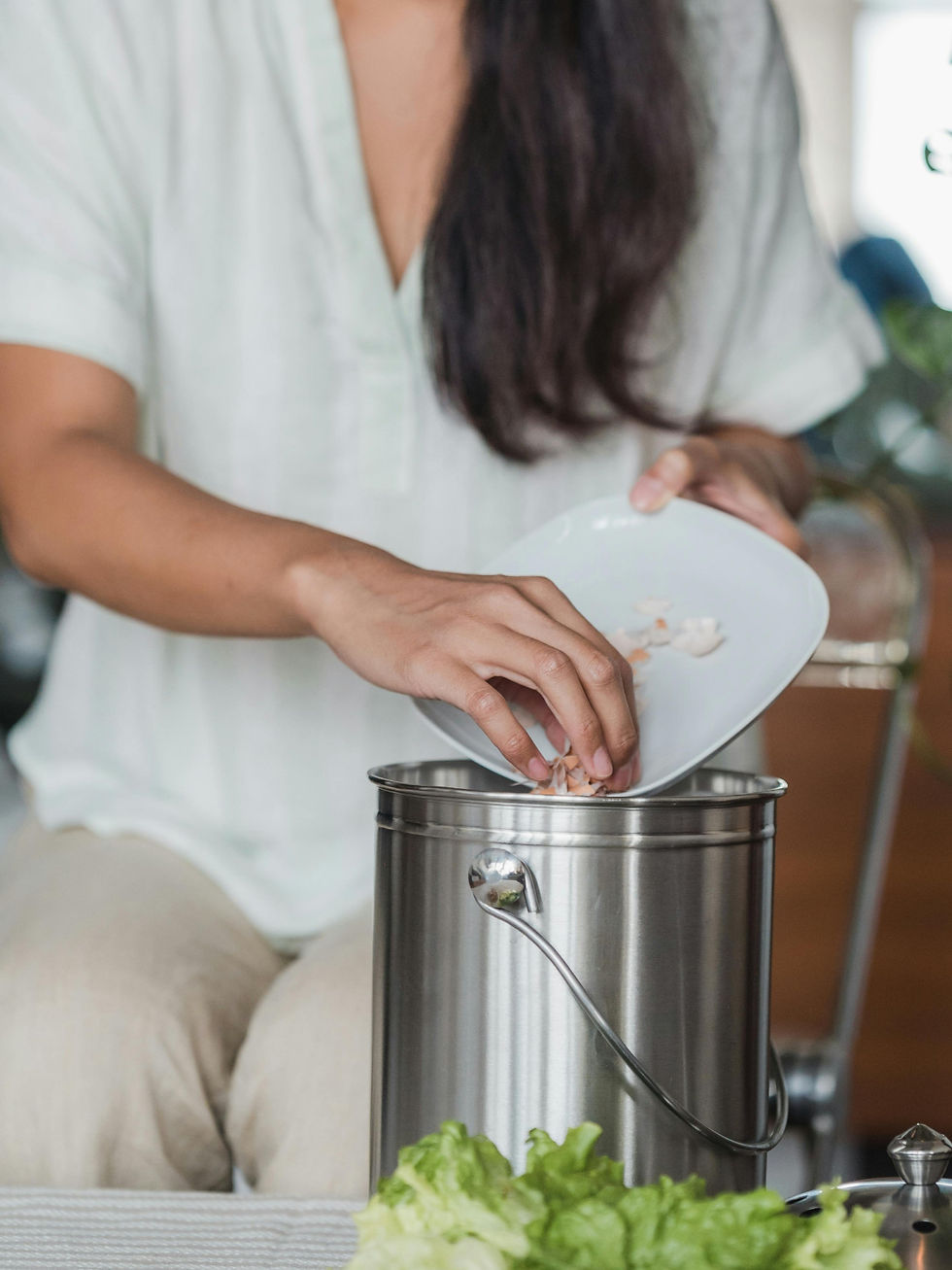
6. Reduce Food Waste Gently
Food waste is a common stress point, but it doesn’t need to be complicated.
Simple habits include:
Planning meals loosely (not rigidly)
Using leftovers intentionally
Freezing food before it spoils
Accepting that some waste happens
Perfection isn’t required for impact.
Why it sticks:
It adapts to real-life schedules and energy levels.
7. Be Mindful of Convenience Without Demonizing It
Convenience isn’t the enemy of sustainability.
Sometimes sustainability looks like:
Buying pre-cut vegetables during busy weeks
Choosing packaged options when energy is low
Letting go of guilt when life requires ease
Long-term sustainability depends on habits you can maintain during hard weeks too.
Why it sticks:
It respects your limits.
8. Curate What You Consume Online
Your digital environment influences your habits more than you realize.
Try:
Unfollowing accounts that encourage overconsumption
Following creators who focus on mindful living, repair, reuse, and rest
Taking breaks from trend-heavy content
Less mental clutter often leads to more intentional choices.
Why it sticks:
It reduces constant temptation and comparison.
9. Let Sustainability Evolve With Your Life
The most important habit of all is flexibility.
What works now may not work forever and that’s okay.
Sustainability isn’t about rigid rules.
It’s about staying in conversation with your life and values.
Why it sticks:
It allows room for change instead of burnout.
A Sustainable Mindset That Actually Lasts
If you remember one thing, let it be this:
Sustainable living works best when it feels supportive, not restrictive.
You don’t need to do everything.
You don’t need to do it perfectly.
You just need to keep choosing small, thoughtful actions that fit your real life.
A Thought to Return To
Sustainability isn’t a destination, it’s a relationship with how you live, consume, and care over time.
Other posts you may like:


Comments