Minimalist Living That Still Feels Personal
Updated: Jun 19
This post may contain affiliate links. If you choose to purchase through these links, I may earn a small commission at no extra cost to you. I only share products that I genuinely love and believe add value to a slower, more intentional way of living. Thank you for your support!
For a long time, I thought minimalism had to look a certain way. Perfectly neutral homes. Bare countertops. Empty shelves. Everything matching. Everything sparse.
And while that aesthetic can be beautiful, it never fully felt like me. Because I don’t think a calm home has to feel empty to feel intentional.
Over time, I’ve realized the version of minimalism I’m drawn to is softer than that. Less about owning as little as possible. More about surrounding yourself with things that genuinely matter. Things that feel useful, comforting, beautiful, or personal.
A home can be simple and full of character at the same time. Here’s what helped me create a more minimalist space that still feels warm and lived in.
1. Keeping Things That Tell a Story
Minimalism doesn’t mean removing every meaningful object from your home.
Some of the best spaces feel personal because they include things with history:
A thrifted wooden bowl
Books you actually reread
Travel finds
Handmade pottery
Family photos tucked into shelves
These kinds of items add warmth because they feel connected to real life.
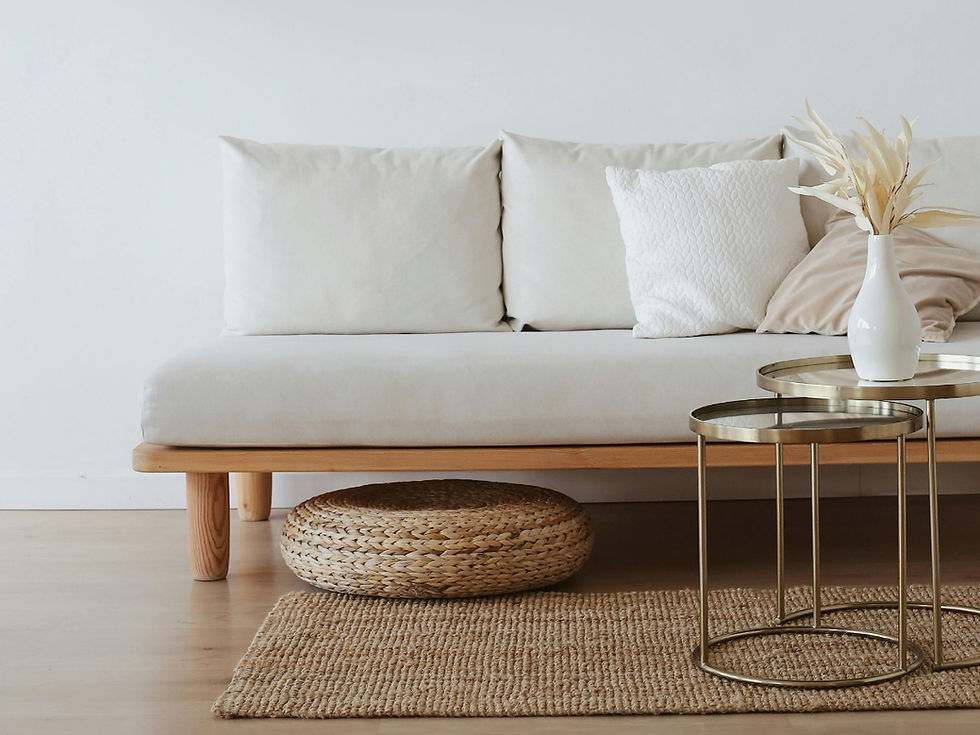
2. Prioritizing Texture Over Excess Decor
A space doesn’t need a lot of objects to feel cozy. Often, texture does more than clutter ever could.
Linen curtains. Woven baskets. A soft rug. Natural wood tones. Ceramic pieces.
Layering natural materials creates warmth without making a room feel crowded.
Items I love that support this:
3. Choosing Fewer Things You Truly Love
Minimalist living became easier once I stopped buying things just because they were trendy or “good enough.”
Now I try to choose items more carefully:
Clothes I genuinely wear
Decor I’d still love years from now
Everyday objects that feel good to use
Owning fewer things feels very different when the things you own actually reflect you.
4. Letting a Home Look Lived In
I no longer try to make everything look untouched all the time.
A blanket draped over the couch. A book left open. A mug on the counter.
Those small signs of life make a home feel welcoming, not messy. There’s a difference.
5. Decorating Slowly
One of the biggest shifts for me was realizing I didn’t need to fill every empty space immediately.
Some of the most personal homes evolve slowly over time. Pieces are collected gradually. Furniture gets moved around. Styles shift naturally.
That slower approach usually creates a more authentic space anyway.
6. Mixing Minimalism With Comfort
Minimalism feels best to me when it still prioritizes comfort.
Soft lighting. Cozy bedding. Comfortable seating. Warm tones.
A simple home should still feel like somewhere you actually want to spend time.
Items I love that support this:
7. Displaying Things Intentionally
I still keep meaningful objects out, but more selectively.
Instead of filling every shelf, I try to leave room around things I truly love.
That balance makes special pieces stand out more. And honestly, it makes a home feel calmer too.
8. Letting Personality Exist Beyond “Aesthetic”
Not everything in your home needs to match perfectly.
A calm space can still include quirky books, sentimental keepsakes, collected art, or hobbies that don’t fit a perfectly curated aesthetic. Sometimes those are the things that make a home feel most human.
9. Focusing on Function as Much as Beauty
The spaces that feel best are usually the ones that work well for everyday life.
Minimalism became much more sustainable for me when I stopped trying to create a “perfect” space and focused more on creating one that felt functional, peaceful, and easy to maintain.
10. Remembering That Minimalism Is Personal
There’s no exact number of items that makes someone a minimalist. There’s no perfect aesthetic you have to follow.
At its core, minimalist living is really just about creating more space for calm, clarity, intention, and the things that matter most to you.
And that can look different for everyone.

A Softer Version of Minimalism
Minimalism doesn’t have to feel strict.
It can feel warm. Personal. Relaxed. It can include books, cozy textures, collected objects, and signs of everyday life.
The goal isn’t emptiness. It’s creating a home that feels lighter, calmer, and more aligned with the life you actually want to live.
Closing Thought
The most beautiful minimalist homes usually aren’t the emptiest ones.
They’re the ones that feel intentional, lived in, and deeply personal at the same time.
Other posts you may like:
From the shop:



Comments